

Design Rules…
1. Do Not Compromise:
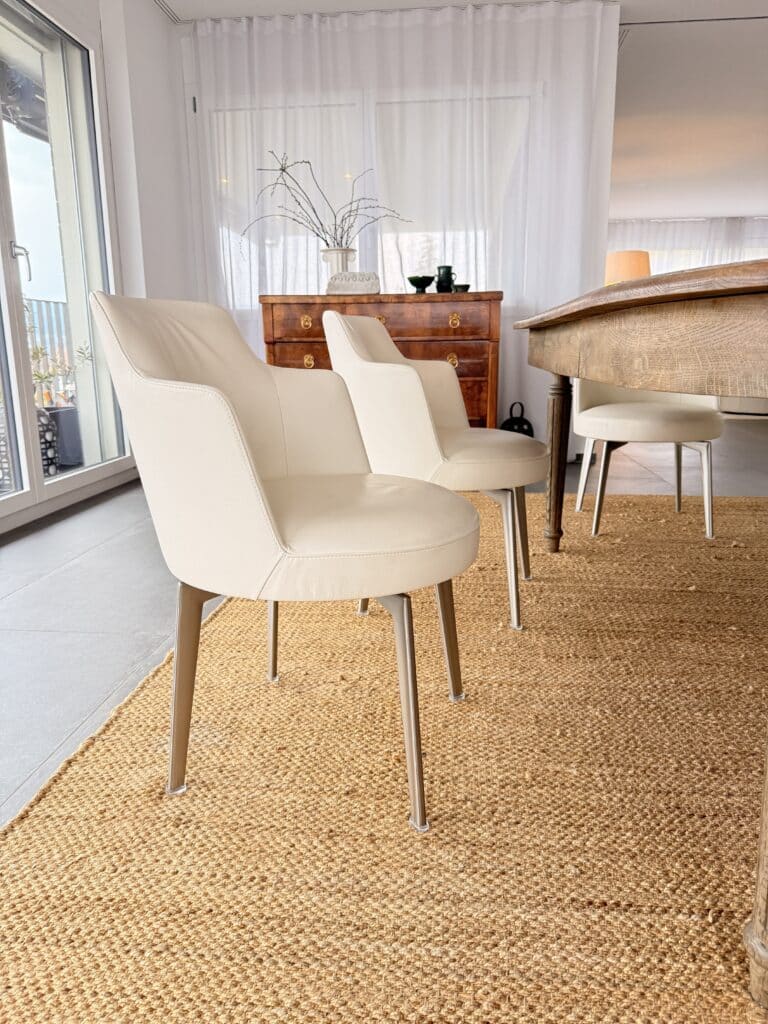
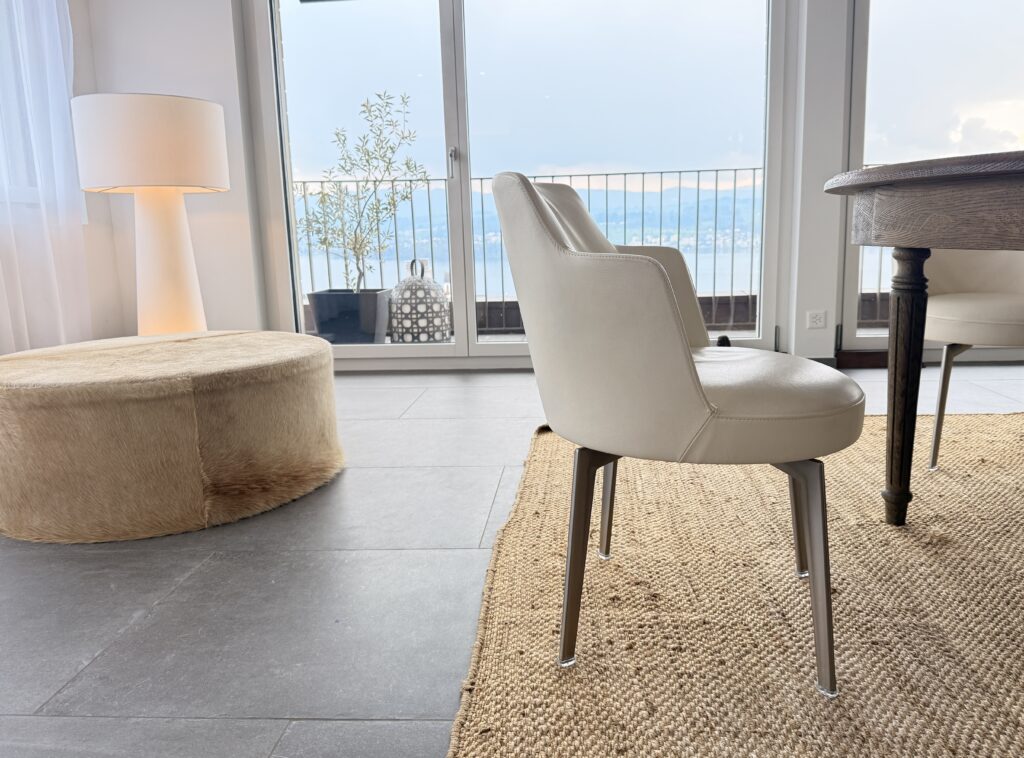
Over time, I’ve learned that whenever I compromise on a piece for my home—whether due to availability, timing, or cost—I inevitably replace it. Conversely, when I invest the time to research and choose something I love, it remains in my home indefinitely.
These are the pieces that endure. They may evolve in how they’re used, but they remain meaningful and valued.
Consider this your reminder: trust your instincts and don’t compromise.
*Above: Flexform leather chairs — my third dining chair purchase, and finally, no compromise.
2. Always Mix Old & New:
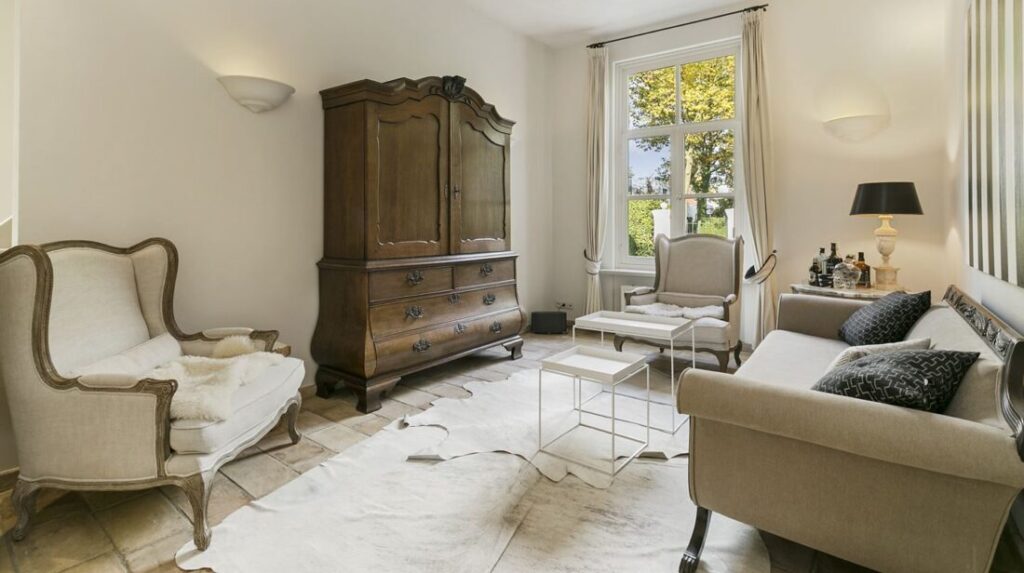
Homes without vintage objekts look staged, and one-dimensional. Every creative discipline—music, art, architecture draws from the past. Our homes should do the same. The past informs the future.
Incorporating vintage objekts in your home adds depth, history, and individuality. Beyond aesthetics, these pieces are often crafted with superior materials and workmanship, making them more durable and environmentally responsible.
If you eventually part with a vintage piece, it will likely find a new home with someone who appreciates it—something that cannot always be said for mass-produced furnishings.
Blend vintage with contemporary pieces to create a home that feels layered, personal, and enduring.
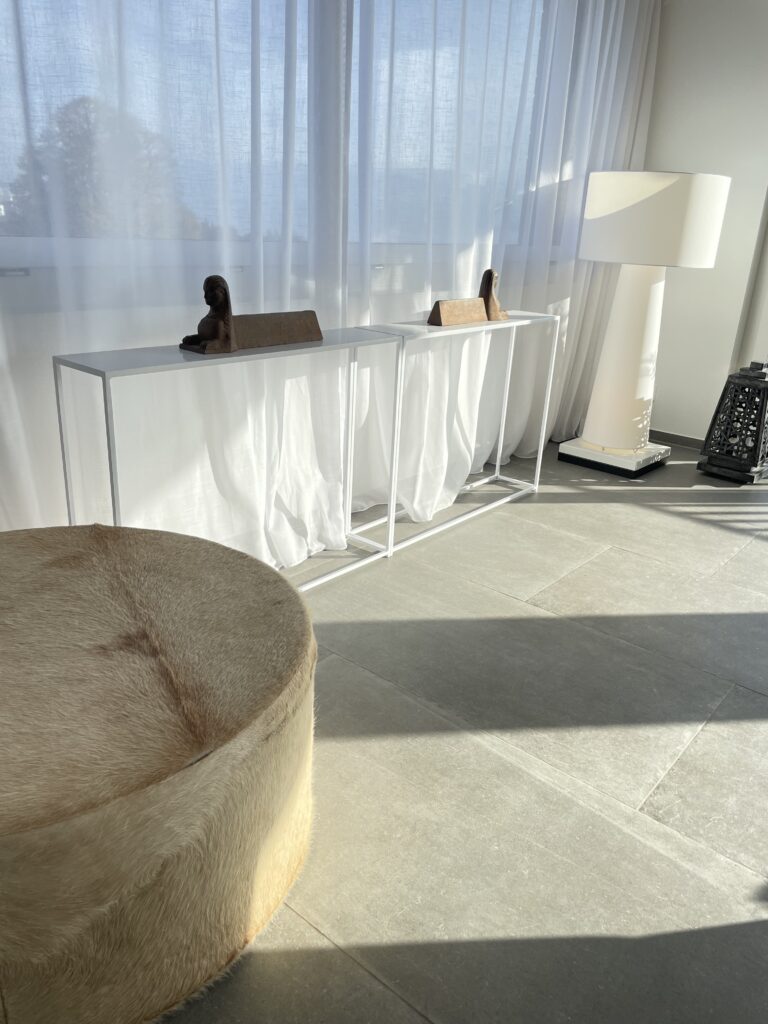
*Below left: vintage andirons on modern tables.
*Below right: antique Dutch armoire with modern HAY tray tables.
3. Create a Cohesive Color Story.
When mixing and matching objekts, a unifying color palette is essential.
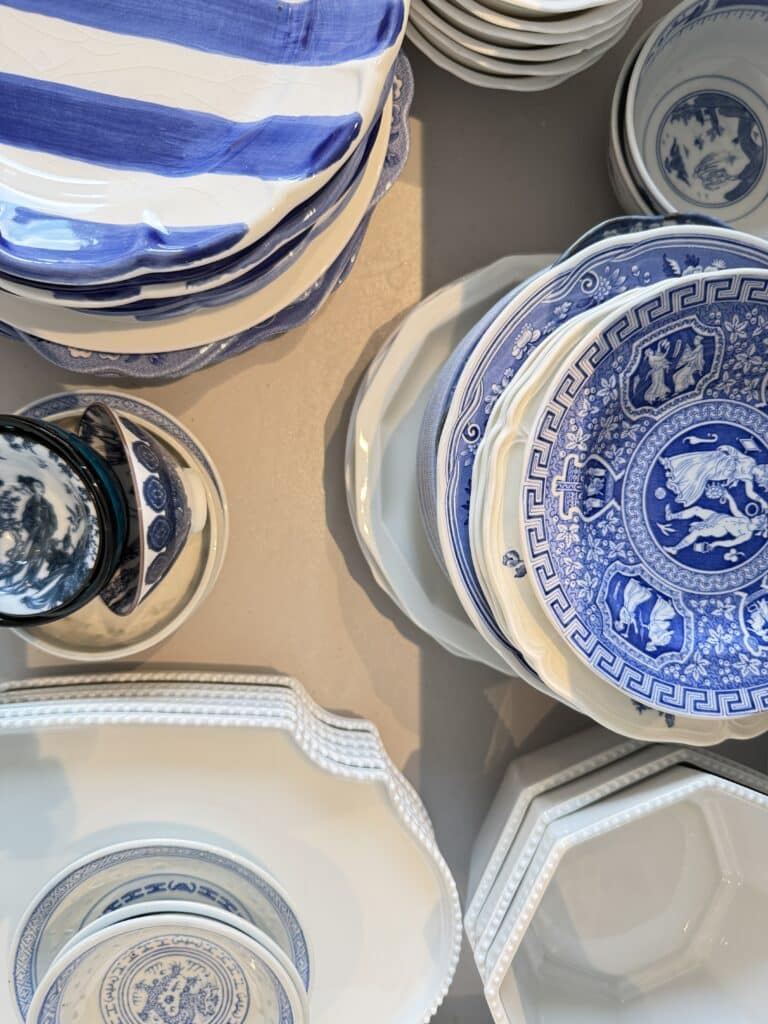
For example, blue and white is a timeless combination that allows for endless variation in pattern and style while maintaining cohesion. Another approach is a neutral palette—browns, blacks, and grays—which creates a grounded, elegant look.
A thoughtfully curated table often feels more compelling than a perfectly matched set. A consistent color story allows diverse pieces to feel intentional and harmonious.
This principle extends beyond tableware—to textiles, accessories, and decorative groupings. With a clear visual thread, even the most eclectic combinations can feel refined and confident.
*Below: a mix of Spode, Chinese, and Italian dishes, complemented by a white base set by Paola Navone for Reichenbach.
4. Group Collections Thoughtfully.
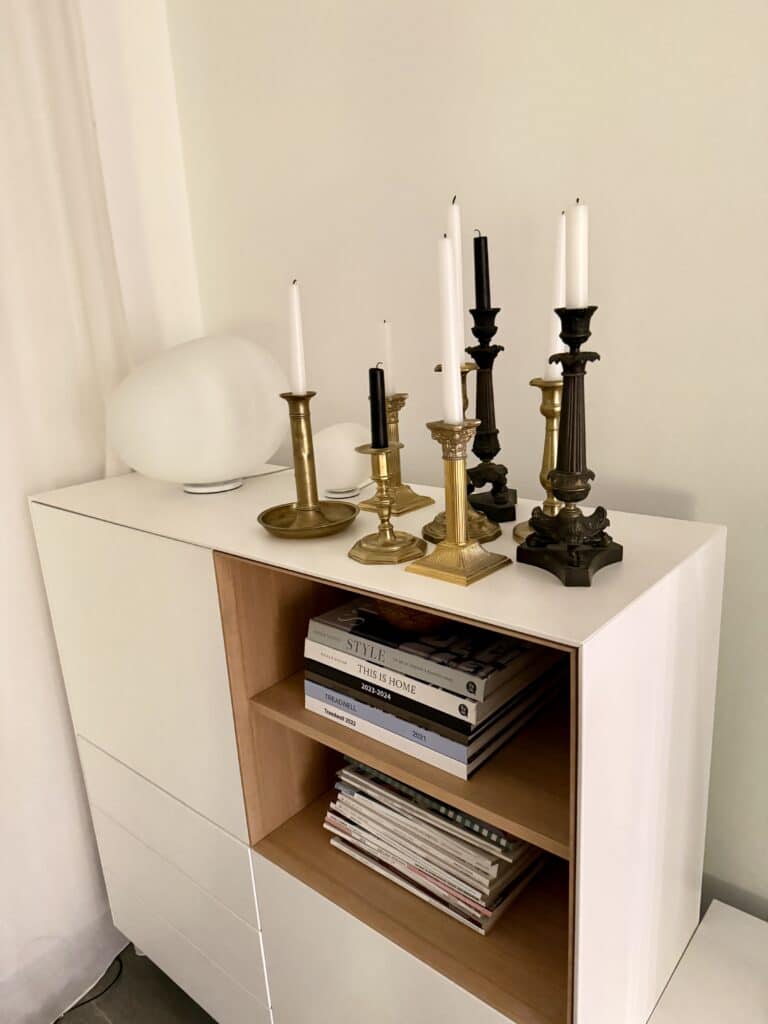
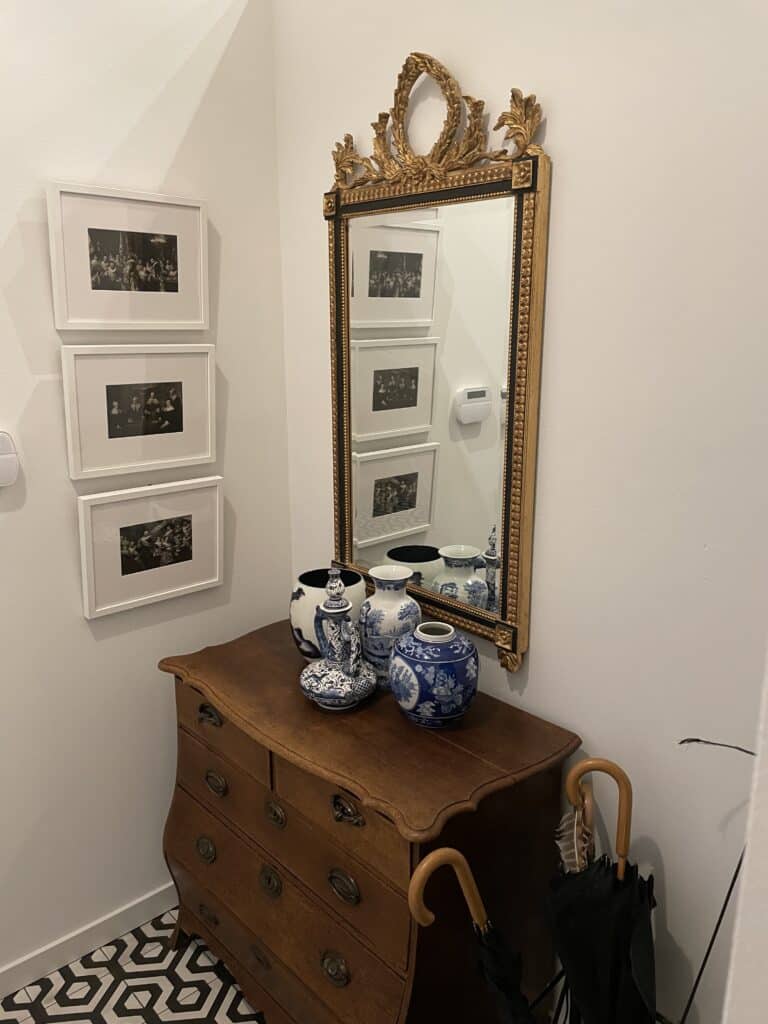
Collections have the greatest impact when displayed together. Whether it’s ceramics, baskets, candles, or found objects, grouping creates a sense of purpose and cohesion.
When arranged intentionally, a collection becomes more than a series of items—it becomes a statement.
5. Use Trays to Create Order.
A tray is a simple yet transformative tool. It brings structure and clarity to otherwise scattered objects, turning a collection of small items into a composed vignette.
By visually framing objects, trays create a sense of calm and intentionality—an effortless way to elevate everyday surfaces.
6. Choose Natural Materials.
Natural materials offer unmatched beauty and longevity. Stone, wood, steel, wool, linen, cotton, and silk age gracefully, developing character over time.
While not every space requires a purist approach, natural elements bring warmth, texture, and authenticity that synthetic materials often cannot replicate.
There is a timelessness to materials shaped by nature—one that consistently enhances the overall quality of a home.
7a. Connect Interior and Exterior Spaces.
In homes with expansive windows, the relationship between indoors and outdoors becomes essential.
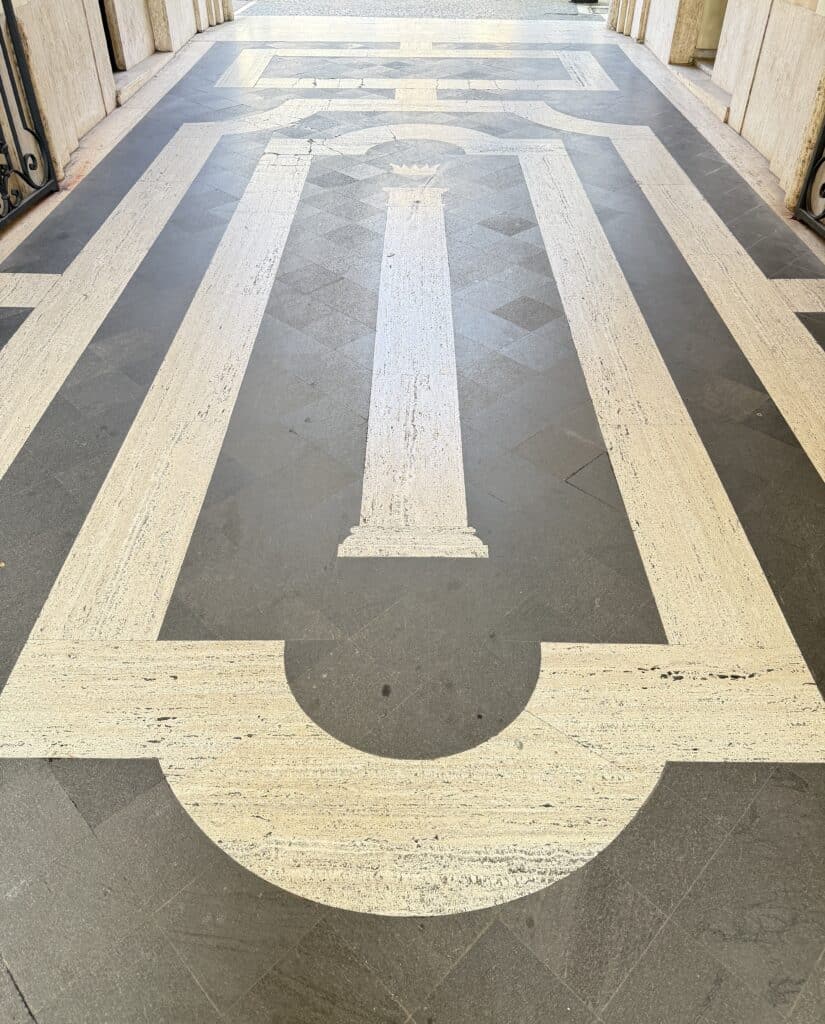
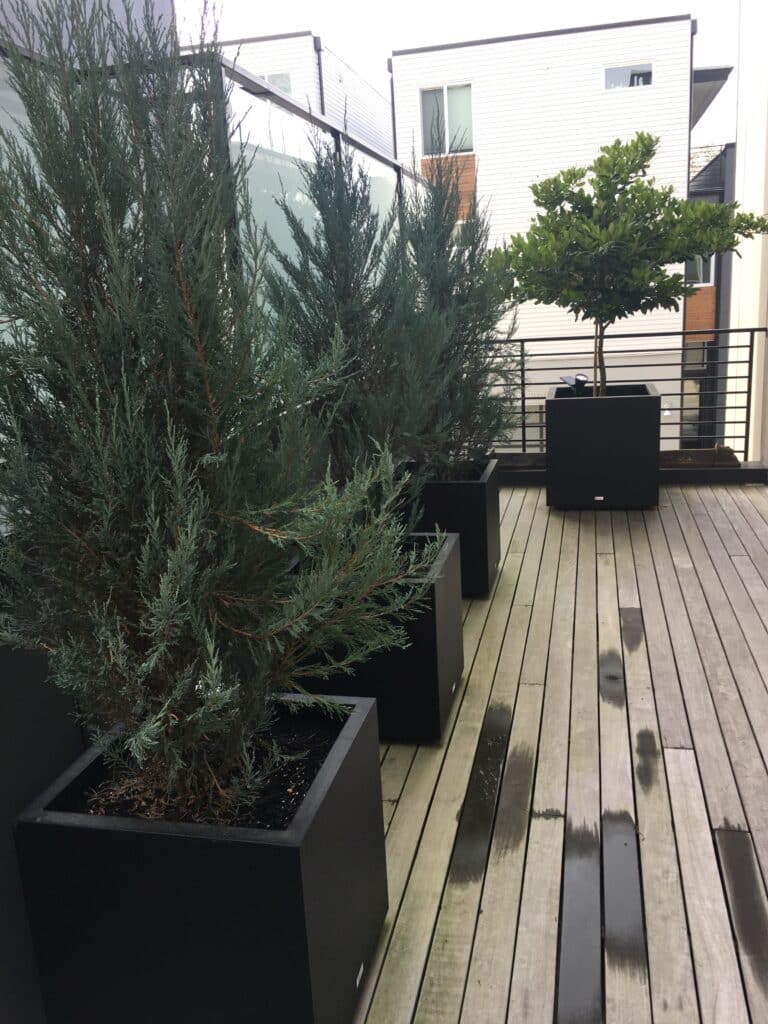
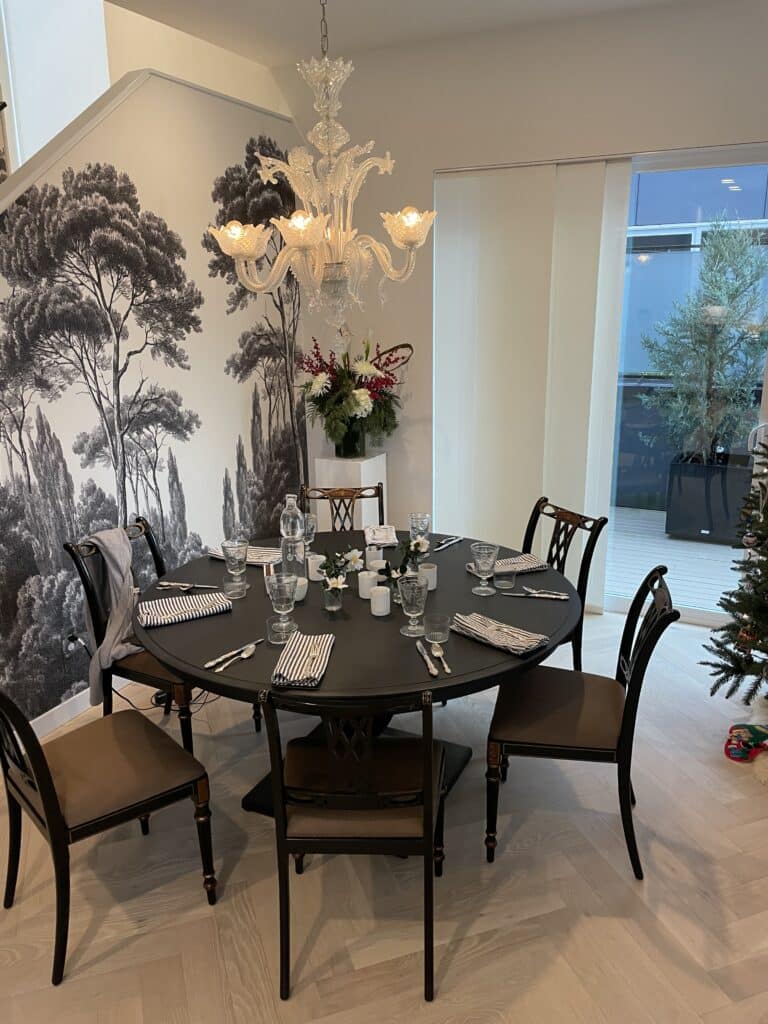
Consider how materials, colors, and furnishings interact across this boundary. Flooring transitions, garden palettes, and visible outdoor furniture should feel aligned with the interior.
A seamless connection between inside and outside creates a more cohesive and immersive environment.
*Below: potted plants echoed in dining room wallpaper.
7b. Create Visual Continuity Between Rooms.
Similarly, spaces that are visible from one another should feel connected.
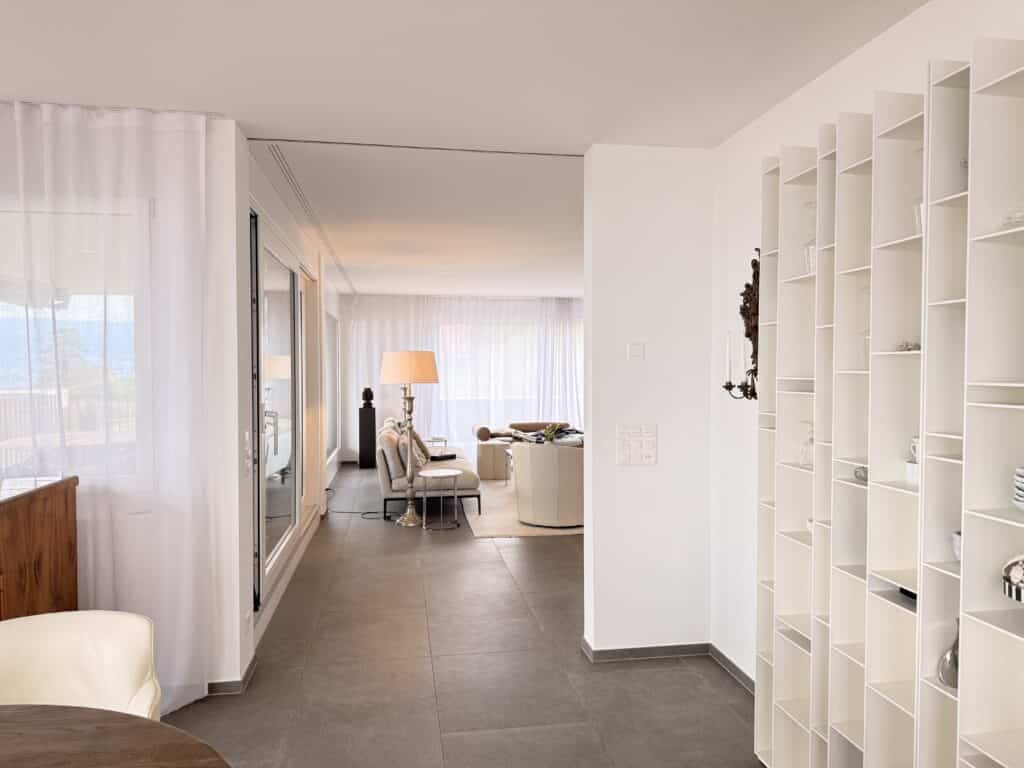
Whether through color, material, or overall tone, maintaining a visual relationship between rooms creates a sense of flow. This continuity fosters a calm, cohesive atmosphere that feels both intentional and inviting.
*Below: view from dining room into sitting room with a shared color palette.
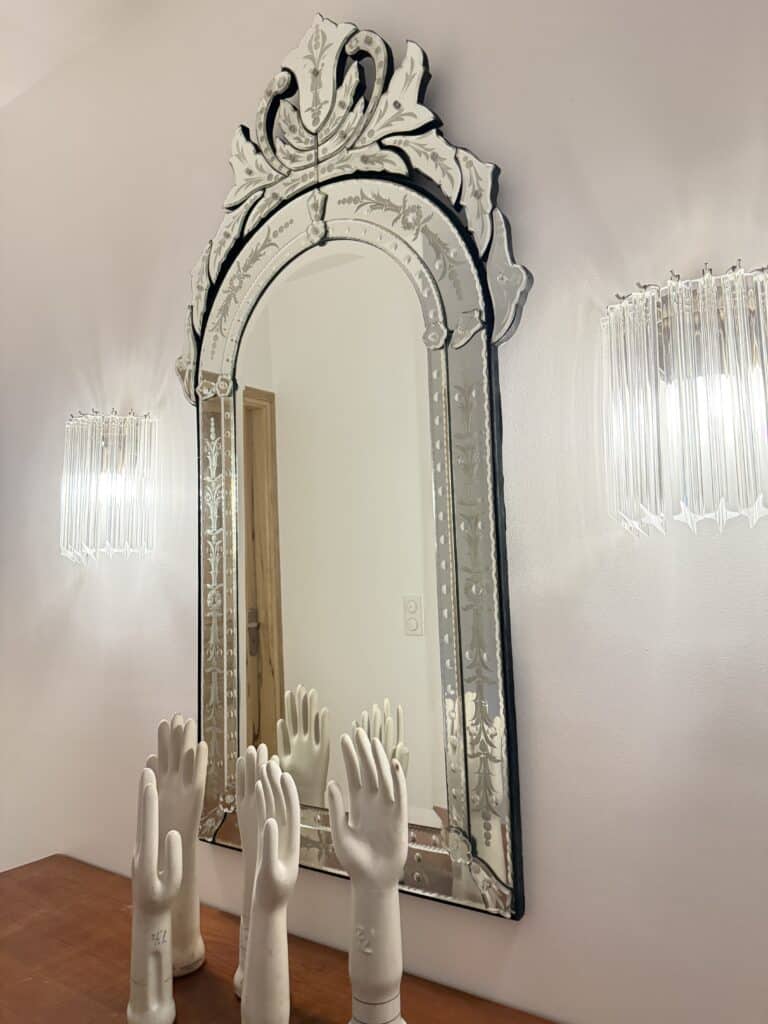
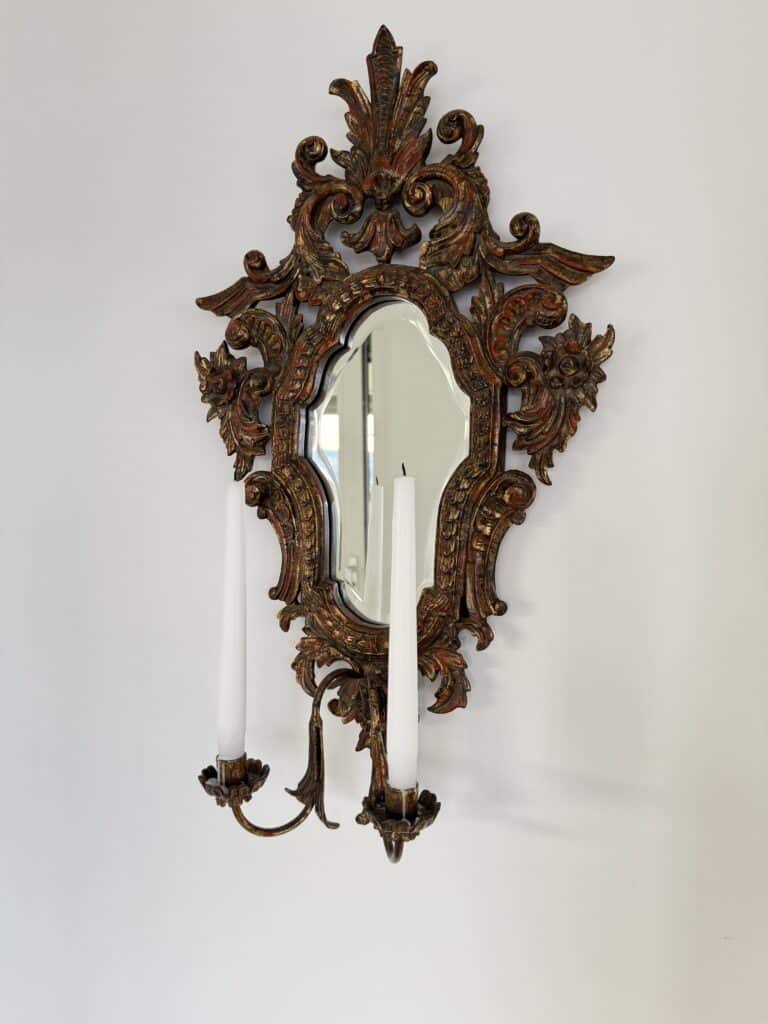
8. Incorporate Mirrors.
Mirrors are one of the most versatile design elements.
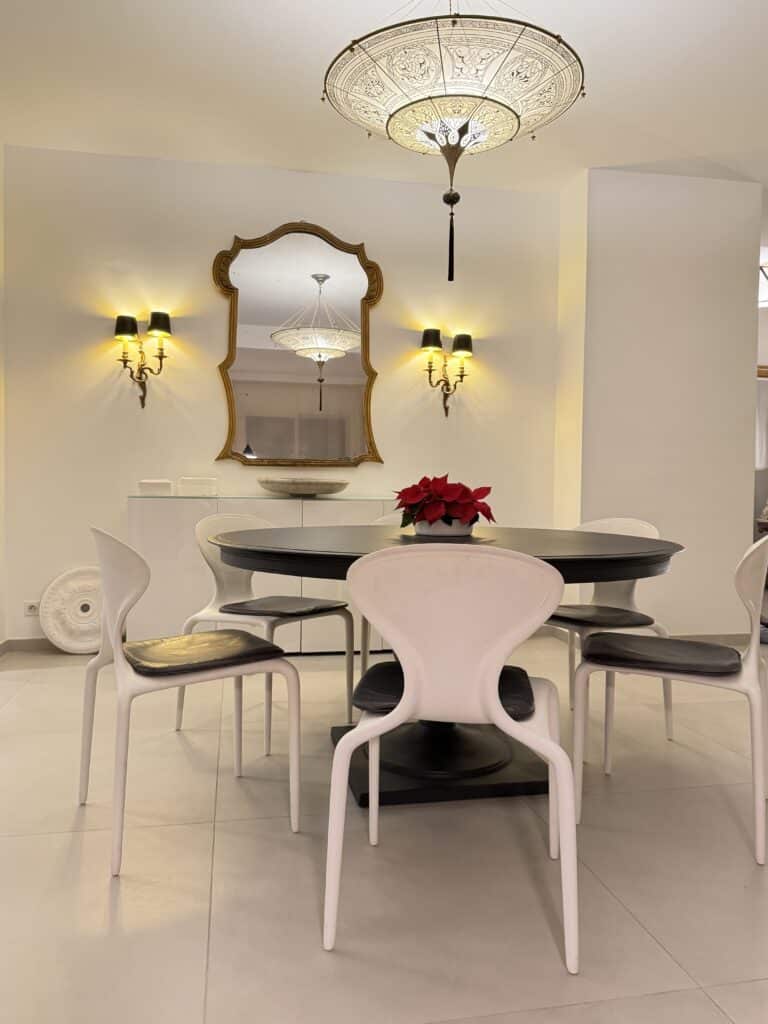
They enhance natural and artificial light, create the illusion of space, and complement virtually any style. Positioned thoughtfully—especially opposite windows—they can dramatically transform a room’s atmosphere.
Elegant and functional, mirrors are a timeless addition to any interior.
9. Prioritise Lighting.
Lighting is foundational to how a space looks and functions. Even the most beautifully designed room can fall short if it’s poorly lit.
A well-balanced lighting plan includes:
- Task lighting for functionality
- Ambient lighting for overall illumination
- Accent or decorative lighting for atmosphere
Incorporating dimmers allows you to adjust intensity and mood throughout the day. Additionally, the warmth of the light source plays a significant role in how a space—and its occupants—are perceived.
Thoughtful lighting elevates every element within a room.
10. Pay Attention to Scale.
Scale is one of the most common—and costly—design mistakes.
Before making a purchase, take the time to measure and visualize how a piece will fit within your space. Use painter’s tape to outline rugs, compare chair heights to tables, and test proportions directly in the room.
This simple step ensures that each element feels balanced and appropriately sized—an essential component of a well-designed home.